









Digital marketing includes a wide range of strategies designed to reach audiences online. These strategies span multiple channels, including social media, email, content, paid advertising, and search engines.
Within this ecosystem, Search Engine Optimisation (SEO) plays a unique and foundational role. It focuses on improving a website’s visibility in organic (non-paid) search results. While digital marketing often includes faster, paid campaigns for immediate reach, SEO provides long-term visibility and sustainable traffic.
This article explores the differences between SEO and broader digital marketing strategies. It breaks down how each approach works, when to use them, and why many successful businesses integrate both to achieve their goals.
Understanding SEO: The Foundation of Organic Visibility
Search Engine Optimisation (SEO) refers to the process of enhancing a website so it appears more prominently in search engine results without paying for ad placement. The primary objective of SEO is to attract visitors who are actively searching for information, products, or services that a website offers.
SEO works by aligning content with search engine guidelines and user intent. When implemented correctly, it increases the chances of being discovered by users at the moment they are looking for relevant content.
The Pillars of SEO
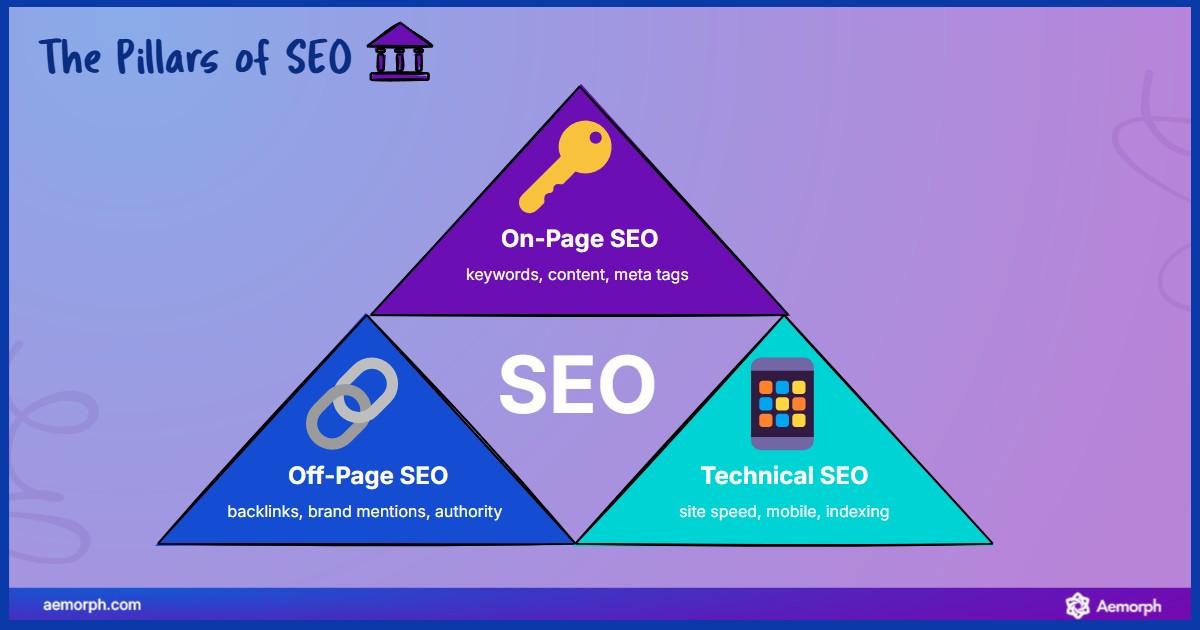
SEO is structured around three core areas that work together to improve visibility in organic search results.
On-Page SEO
On-page SEO focuses on the elements within a website that can be optimised directly. This includes:
- Using relevant keywords in headings and body content
- Writing descriptive meta titles and descriptions
- Creating high-quality, engaging content
- Improving internal linking structures
These efforts help search engines understand the topic of each page and match it to relevant user queries.
Off-Page SEO
Off-page SEO encompasses activities that occur outside the website’s boundaries but still impact its authority and relevance. These include:
- Earning high-quality backlinks from reputable websites
- Participating in digital PR campaigns to gain brand mentions
- Building domain authority over time
These actions signal to search engines that a website is trustworthy and valuable.
Technical SEO
Technical SEO ensures that a website can be crawled, indexed, and understood by search engines. It includes:
- Improving website loading speed
- Ensuring mobile responsiveness
- Creating a clean URL structure
- Implementing structured data (schema markup)
- Fixing broken links and duplicate content
A technically sound website allows search engines to access and interpret content more effectively.
How SEO Works: From Crawling to Ranking
Search engines follow a structured process to discover and rank content. Understanding this process helps clarify why SEO strategies are important.
- Crawling: Search engine bots visit websites to discover new or updated pages. These bots follow links and gather information from each page.
- Indexing: After crawling, search engines store pages in a massive database known as the index. Only indexed pages can appear in search results.
- Ranking: When a user enters a query, search engines retrieve relevant results from the index. Algorithms then determine the order of these results based on several factors, including keyword relevance, content quality, and user engagement metrics.
By aligning your website with these steps, you increase the likelihood that your pages will appear higher in search results when people search for topics related to your business.
What Is Digital Marketing?
Digital marketing refers to a wide range of online strategies used to promote products, services, or brands. It includes both organic and paid efforts designed to reach audiences across multiple platforms. While SEO is one part of digital marketing, the full scope also includes advertising, email campaigns, social media engagement, and more.
The primary goal of digital marketing is to increase visibility, attract traffic, and encourage user actions such as signing up, purchasing, or sharing. By using data and analytics, digital marketing efforts can be tailored to reach specific audiences and measure performance with precision.
Digital Marketing Channels (Including and Beyond SEO)
Digital marketing involves a combination of channels, each with its own strengths. The selection of channels depends on the brand’s goals, target audience, and available resources.
SEO (Search Engine Optimisation)
SEO remains a vital component within digital marketing, providing long-term visibility through organic search.
PPC (Pay-Per-Click Advertising)
PPC allows businesses to pay for placement in search results or on websites. Platforms include Google Ads, display networks, and remarketing campaigns. It delivers quick visibility and can be adjusted based on performance.
Social Media Marketing
This includes both paid and organic strategies across platforms such as Facebook, Instagram, LinkedIn, and TikTok. Social media supports engagement, brand storytelling, and direct customer interaction.
Email Marketing
Email is used to nurture leads, deliver promotions, and maintain communication with subscribers. It offers high ROI and can be automated to support different stages of the customer journey.
Content Marketing
Publishing valuable content helps educate and attract potential customers. This includes blog posts, videos, guides, and whitepapers. Content also supports SEO and can be repurposed across multiple channels.
Affiliate and Influencer Campaigns
Partnering with affiliates or influencers allows brands to reach new audiences. These partnerships are performance-based and often include product reviews, sponsored content, or referral links.
Each of these channels can function independently, but their combined use creates a more cohesive and effective strategy.
Common Goals and Performance Metrics
Digital marketing strategies are built around specific objectives. These goals guide which channels to use and how success is measured.
- Brand Awareness: Creating familiarity and recognition among target audiences is often the first objective. This can be achieved through display advertising, social media, and video content.
- Lead Generation and Sales: Driving conversions is a key focus for most campaigns. Paid search, landing pages, and remarketing tactics help move users from interest to action.
- Return on Investment (ROI): Tracking ROI ensures that marketing spend delivers value. Metrics include cost per lead, cost per acquisition, and overall revenue generated from campaigns.
- Customer Lifetime Value (CLV): Understanding the long-term value of a customer helps determine how much can be invested in acquiring them. Retention strategies such as email marketing play an important role in increasing CLV.
- Multi-Touch Attribution: Attribution models help identify which channels contributed to conversions. This allows marketers to adjust their strategies based on real user journeys, rather than relying on last-click data alone.
SEO vs Digital Marketing: Key Differences at a Glance
While SEO is one aspect of digital marketing, the two serve different functions and operate across different timelines and tactics. Understanding their distinctions helps in choosing the right focus for your business goals.

The table below outlines the main differences:
| Attribute | SEO | Digital Marketing |
| Scope | Focused on organic search visibility | Encompasses multiple online channels |
| Speed of Results | Slower, long-term results | Faster through paid campaigns |
| Cost | Lower over time | Higher short-term investment, scalable |
| Channels | Search engines only | Includes search, social, email, and more |
| Objective | Organic traffic and brand authority | Sales, awareness, and conversions |
This comparison highlights how each approach supports different stages of the marketing funnel. SEO builds authority and long-term presence. Broader digital marketing strategies help achieve faster results and allow for controlled experimentation across platforms.
When to Start with SEO First
In most situations, SEO should be the top priority when establishing an online presence. Businesses that aim for long-term growth, consistent visibility, and strong user trust often benefit most from starting with SEO.
By focusing on organic search, a brand can establish authority in its niche while reducing reliance on paid acquisition channels. SEO also supports content marketing efforts, helping valuable resources stay discoverable over time.
Ideal Scenarios for SEO Investment
Some business models and industries are especially well-suited to SEO. These include:
- B2B SaaS companies that rely on steady lead generation through educational or problem-solving content
- Startups seeking to establish credibility and build a foundation of domain authority
- Content-driven websites, such as media publishers or online learning platforms, that depend on organic visibility
- Local businesses looking to attract customers in a specific geographic area through local search
In each of these cases, SEO provides scalable traffic and cost-effectively supports brand positioning.
Benefits of Leading with SEO
SEO delivers value that grows over time. Some of its core benefits include:
- Sustainable traffic that increases as more content ranks and attracts visitors
- Lower customer acquisition costs compared to ongoing paid advertising
- Stronger brand credibility through high search rankings and presence in trusted results
- Evergreen content assets that continue to generate value without constant promotion
By starting with SEO, businesses build a foundation that supports all future marketing efforts.
When to Prioritise Paid and Multi-Channel Digital Marketing
Not every business has the time or resources to wait for SEO to take effect. In fast-moving markets or time-sensitive situations, paid and multi-channel digital strategies can deliver faster results and broader reach.
Campaigns that span paid search, social media, email, and content can help a brand get attention quickly while allowing for data-driven adjustments.
Best Use Cases for Multi-Channel Campaigns
There are several scenarios where a broader digital marketing focus is more effective:
- New product or service launches that require immediate awareness
- E-commerce stores aiming to drive consistent and measurable sales
- Promotions or events that have a limited time window
- Brands expanding into new markets that need fast visibility and testing opportunities
These cases benefit from a diverse set of tactics that create multiple touchpoints with the target audience.
Why Multi-Channel Marketing Works
A multi-channel strategy provides several tactical advantages:
- Immediate traffic through paid advertising and boosted posts
- Testing capabilities, including A/B testing of messaging, design, and offers
- Targeting precision using user demographics, interests, and behaviours
- Retargeting opportunities that bring users back into the conversion funnel
This approach gives marketers more control over timing, audience segmentation, and campaign outcomes.
How to Choose Between SEO, Digital Marketing, or Both
Each business has different needs, budgets, and timelines. Choosing between SEO and digital marketing, or combining both, depends on a clear understanding of goals, audience behaviour, and available resources.
This final section outlines how to evaluate your situation and create a strategy that aligns with your business model.
1. Evaluate Your Business Goals
Begin by identifying what you are trying to achieve:
- Are you working to build brand recognition over time?
- Do you need immediate sales or leads to meet short-term targets?
- How flexible is your marketing budget?
- What is your expected timeline for seeing results?
Clarifying these goals will guide your choice of strategy.
2. Understand Your Audience’s Behaviour
Knowing how your audience discovers and engages with content is essential. Ask questions like:
- Do they use search engines to find information, products, or services?
- Are they active on social media, email, or mobile apps?
- Do they follow a simple or complex path before converting?
These insights help determine the best combination of channels to use.
Why Integration Often Works Best
For many businesses, the strongest results come from combining SEO and digital marketing. Each supports different parts of the customer journey.
SEO builds visibility and authority over time through consistent content creation. Paid marketing provides faster access to high-intent audiences. Together, they create a system where organic and paid efforts support each other.
For example, a SaaS company might publish helpful blog content to capture organic traffic while running Google Ads to promote a free trial or limited-time offer. The result is a more comprehensive and balanced strategy.
Choosing the Right Strategy for Long-Term Growth and Immediate Impact
SEO and digital marketing each bring value to the table. SEO builds credibility, organic reach, and a foundation for consistent growth. It aligns with how people search for solutions and allows businesses to be discovered at the moment of intent. Digital marketing offers a broader, faster-moving toolkit. It reaches users across multiple channels and supports quick feedback, testing, and conversion opportunities.
For many businesses, these strategies are not mutually exclusive. They work better together.
A strong SEO foundation improves the performance of your content, landing pages, and paid campaigns. At the same time, paid advertising and social media drive immediate visibility while SEO efforts gain traction.
The most effective marketing strategies align both organic and paid efforts with clear business goals. When SEO and digital marketing are used in tandem, they support every stage of the customer journey from awareness to conversion, and beyond.